Dating in San Francisco: Where Tech Meets True Connection
San Francisco has a reputation. Tech bros, superficial swipes, speed dating as a lifestyle. But that's only half the story—and honestly, it's the boring half.
The real San Francisco dating scene exists in the spaces where queerness is ancient history (we're talking 1960s Tenderloin, 1970s Castro), where chosen family still gathers after decades together, and where you can find people who actually want to be vulnerable instead of optimizing their love lives like a Series A pitch.
If you're dating in San Francisco as an LGBTIQ+ person, you're in a city that's survived Stonewall echoes, built some of the world's most resilient queer communities, and learned—hard—that authenticity is the only currency that actually matters.
Let's navigate this together.
The San Francisco Queer Dating Landscape: What's Actually Changed
San Francisco singles know something most people don't: dating here isn't about finding the "perfect" person. It's about finding your people in a city that attracts seekers, rebels, and truth-tellers from everywhere.
The challenge? San Francisco's dating culture is layered. You've got:
- The app-native crowd (mostly under 35, very online, moving fast)
- The community-rooted folks (40s and up, often in established chosen families, intentional about new connections)
- The alternative lifestyle explorers (poly, BDSM, open relationships, kinky queers across all ages)
- The newly-out and newly-arrived (people who moved here to come out, or came out because they moved here)
Each group dates differently. Each has different safety concerns. Each is looking for something specific.
The beauty? You get to choose which community—or combination of communities—feels like home.
Where Singles Actually Meet in San Francisco
The Established Community Spaces
The Castro District: Yes, it's gentrified. Yes, Instagram tourists swarm the street fairs. But the Castro still anchors real queer community. You'll find longtime chosen families here, intergenerational friendships, and people who remember when this neighborhood was survival.
If you're dating in San Francisco and want to meet people with roots, with resilience, with actual history—start in the Castro. Hit up the bars that have been there since 1985. Talk to the bartenders who've watched people fall in love and break up across three decades. This is where you learn what commitment actually looks like in queer community.
Mission District: Younger demographic, more diverse (racially, sexually, gender-wise). The Mission is where you'll find trans and non-binary folks, people of color, sex workers, and folks experimenting with what queer life can be. Less "queer monument" energy, more "queer people actually living." Better food, weirder art, real conversations at the bars.
Folsom Street: During Folsom Street Fair (September), it's a full sensory experience of leather culture, BDSM aesthetics, and sex positivity. But year-round, this corridor hosts some of the city's most explicit kink and fetish spaces. If you're exploring alternative sexuality, poly relationships, or BDSM community in San Francisco, Folsom is where consent culture runs deep.
Venues for Real Connection (Not Just Drinks)
Community Centers and Organizations:
- SF LGBT Community Center (in the Mission) hosts weekly social events, workshops on relationship skills, chosen family gatherings, and community healing circles
- San Francisco Pride events (not just the parade—the forums, panels, and community booths where actual organizing happens)
- Radical dancing events and queer dance parties (these aren't just parties—they're where bodies connect with intention)
Bookstores and Reading Series: SF's queer bookstores and reading series are where you meet people who read, who think deeply about identity, and who gather around ideas instead of algorithms. Readings about queer history, trans memoir, polyamory essays—these attract people who've done actual inner work.
Activist Spaces: The Bay Area's organizing culture means dating SF means potentially meeting people fighting for liberation. Food sovereignty projects, housing justice work, LGBTIQ+ health collective gatherings—these attract folks with values, with vision, with something to offer beyond a profile picture.
Dating San Francisco as an LGBTIQ+ Person: The Real Challenges
The App Problem (And It's Real)
Yes, dating apps work in San Francisco. The density is there. The queer population is there. But here's what you need to know: apps in SF are particularly prone to commodification. You're surrounded by venture capital logic, optimization language, and the mentality that you can "iterate" through people until you find the perfect match.
This breaks something sacred about human connection.
Instead: Use apps as one tool, not your primary tool. Spend time in community spaces. The people you meet at a queer dance party or a community organizing meeting have already proven they show up for something beyond themselves. That's a better filter than any algorithm.
Safety in a Transphobic Bay Area
Here's what doesn't make the tourism boards: despite San Francisco's reputation, transphobia is alive here. You'll find it in:
- Fetishization of trans people (especially trans women)
- Chasers looking for "exotic" experiences
- Cisgender folks who claim allyship but don't do the work
- Dating spaces where misgendering and deadnaming happen regularly
If you're dating as a trans person in San Francisco:
- Vet before you meet. Use video calls. Ask direct questions about how they think about gender. People who get defensive when asked basic trans 101 aren't safe.
- Tell someone where you're going. Keep your chosen family in the loop.
- Trust your instincts about intentions. Desire isn't consent. Neither is curiosity.
- Connect with trans-specific dating communities. There are private Discord servers, group chats, and community networks where trans singles connect with other trans people and trans-affirming allies.
The Polyamory and Non-Monogamy Question
San Francisco has visible poly community. This is good. This is also complicated.
Heterosexual poly folks sometimes colonize queer poly spaces. Unicorn hunting happens here (couples looking for a third partner to complete their fantasy). Hierarchy between "primary" and "secondary" partners gets replicated even in communities claiming to reject it.
If you're exploring non-monogamy in San Francisco dating:
- Seek out queer and trans-specific poly communities (The San Francisco Polyamory groups, monthly meetups, discussion circles)
- Learn the difference between consensual non-monogamy and the person who just wants you to be cool with them cheating
- Understand that poly doesn't mean sexually available to everyone. Boundaries are liberation.
- Connect with BDSM and kink communities—they often understand consent, communication, and alternative relationship structures better than "mainstream" poly folks
How to Actually Date in San Francisco (With Intention)
Step One: Get Clear on What You're Looking For
San Francisco dating means something different if you want:
- A long-term partner (which requires community investment, meeting people's chosen families, understanding SF's relationship patterns)
- Community and sex without relationship escalation (totally valid and actively practiced here)
- Exploration and experimentation (find the kink community spaces, the queer party scene)
- Dating across class, race, ability, or immigration status (which requires active anti-racism, anti-classism work)
Be honest with yourself. Then be honest with others.
Step Two: Invest in Real Community
The people you date should be people you might see again in community spaces. This isn't about coincidence—it's about accountability. If someone treats you badly, your community will know. If you treat someone badly, you'll face it.
This is different from app dating in most cities. Use it as motivation to show up with integrity.
Step Three: Practice Radical Vulnerability
San Francisco's tech culture teaches you to optimize, strategize, and present your best self. Dating here requires the opposite.
Tell people your fears. Share what you're grieving. Ask for what you actually want instead of what you think is acceptable. The people worth dating will respond to this. Everyone else will ghost, which saves you time.
Step Four: Know Your Non-Negotiables
In San Francisco, especially:
- Do they respect your pronouns without being asked twice?
- Do they understand why safety (yours and others') matters?
- Are they actively working against their own oppressive conditioning, or just claiming they're "one of the good ones"?
- Can they talk about race, class, ability, and power dynamics without getting defensive?
- Do they honor consent before, during, and after physical contact?
These aren't high bars. But you'd be surprised.
Dating Across San Francisco's Diverse Neighborhoods
Downtown/Financial District
Young professionals, often new to the city, heavily app-dependent. If you're meeting someone here for a first date, choose a public place (which SF makes easy). Expect conversations about work and status. It's fine—just know what you're signing up for.
Hayes Valley/Alamo Square
Arty, young, less explicitly queer-centered but progressively-minded. Good for meeting people still figuring out their sexuality or identity. Lots of creative types. Date here if you want conversations about art, culture, and ideas.
Noe Valley
Older demographic, more established long-term relationships, chosen families with kids. If you're dating someone here, you're often dating into an entire ecosystem of chosen family. This is beautiful and requires intentionality.
Bayview/Hunters Point
Working-class neighborhoods with deep Black and Brown queer community. Less touristy, more real. If you date here, you're entering spaces with genuine culture, music, and community history. Show respect.
Richmond/Sunset
Families, immigrants, less explicitly queer-coded but queerness exists here. Quieter dating energy. Good if you want to escape the "scene" and meet people embedded in neighborhood life.
Safety First: Non-Negotiable Dating Practices in SF
Physical Safety
- Meet in public first, always
- Tell your chosen family where you're going (group chat, shared location, whatever feels right)
- Have an exit plan if something feels off
- Trust your gut about someone's energy before you ever exchange numbers
- In SF's neighborhoods, daylight dates are easier than late-night walks
Sexual Health and Consent
- Get tested regularly (SF has excellent, judgment-free sexual health clinics)
- Discuss STI status and testing history before sex
- Use protection and have conversations about what that means to each person
- Understand that consent is ongoing, revocable, and requires checking in
- Know that in BDSM and kink communities, consent frameworks are more important, not less
Emotional Safety
- Watch how someone treats service workers, homeless folks, and people with less power
- Notice if they gossip about exes or frame themselves as always the victim
- Check if they respect your "no" in small things (food preferences, timing, boundaries)
- In the early stages, protect your personal information (address, workplace, routines)
- If someone pressures you into "explaining" your identity, they're not safe
The San Francisco Dating Timeline: What to Expect
Dating in San Francisco has its own rhythm:
Weeks 1-3: Intense connection, frequent texting, maybe public appearances in queer-adjacent venues. People move fast here.
Weeks 4-8: Reality check. Do they text back? Do they show up? Are they introducing you to friends or keeping you separate? This is when you see if it's real.
Month 3: The chosen family meeting. In SF, if someone's serious, they'll introduce you to their chosen family (which might be more important than biological family). This is significant.
Month 4-6: You'll have answered key questions about monogamy, exclusivity, what you're building. Or you'll have naturally faded.
Unlike other cities, San Francisco respects the choice to not escalate. If you want casual connection, people are generally okay with that. If you want partnership, that's also valued. Just be clear.
Why San Francisco Matters for LGBTIQ+ Dating
This city exists because of rebels, survivors, and people who refused to hide. You're dating in a place with actual queer history. Your grandmother might have danced in Castro bars in the 70s. Your uncle might have died of AIDS and been cared for by his chosen family because his biological family rejected him. Your cousin might be one of the first generation of out trans people in their family.
This history isn't decoration. It's the reason safety matters so much here. It's why consent culture is deeper. It's why community is precious.
When you date in San Francisco, you're part of that lineage. That comes with responsibility and possibility.
Final Thoughts: Dating on Your Own Terms
Singles in San Francisco have an advantage: they're in a city that's already survived the argument about whether queer people deserve to exist.
You get to skip that. You get to focus on the real work: finding people who understand you, who challenge you, who show up with integrity, and who build something meaningful.
The apps will always be there. The bars will always be full. But the real dating—the kind that matters—happens in the spaces where you're known, where your history matters, and where vulnerability is strength.
That's what San Francisco offers. That's what you deserve.
Your identity is your strength. Love without limits. Date on your own terms. Safe, celebrated, connected.
Welcome to San Francisco. Your people are here.
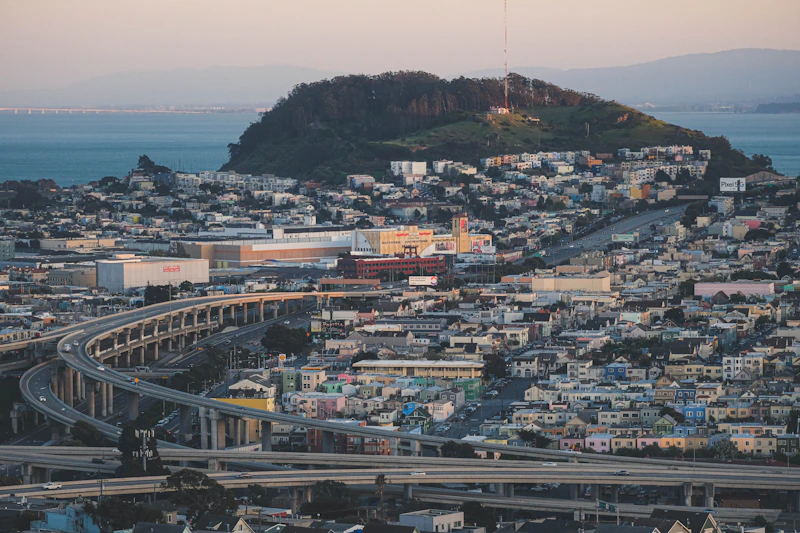
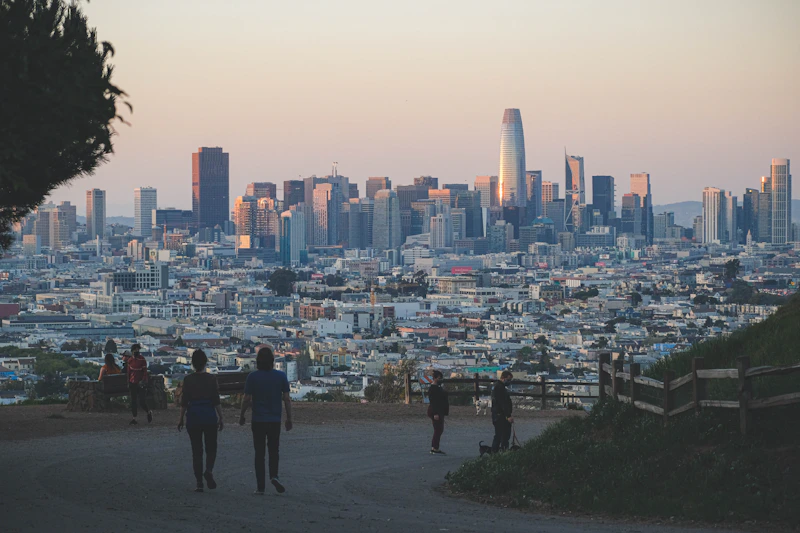
Photo by Wayne Zheng on Unsplash
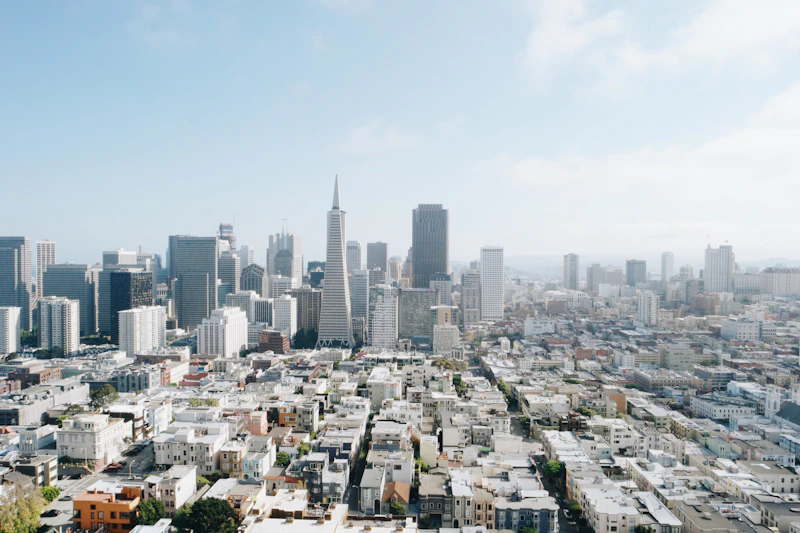
Photo by Titus Aparici on Unsplash
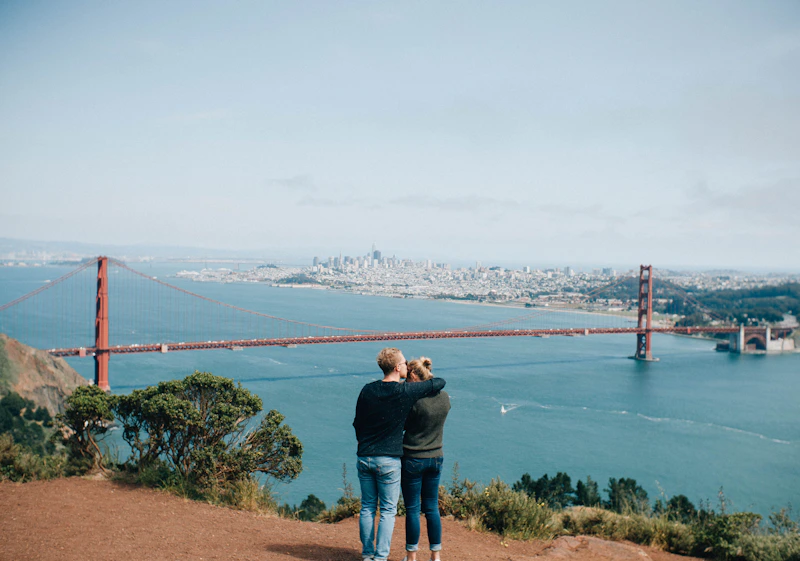
Photo by Andre Tan on Unsplash