
Dating While Closeted: Balancing Privacy, Safety, and Authentic Connection
Navigate the complex landscape of discreet queer dating without sacrificing your emotional needs or personal safety
Dating While Closeted: Balancing Privacy, Safety, and Authentic Connection
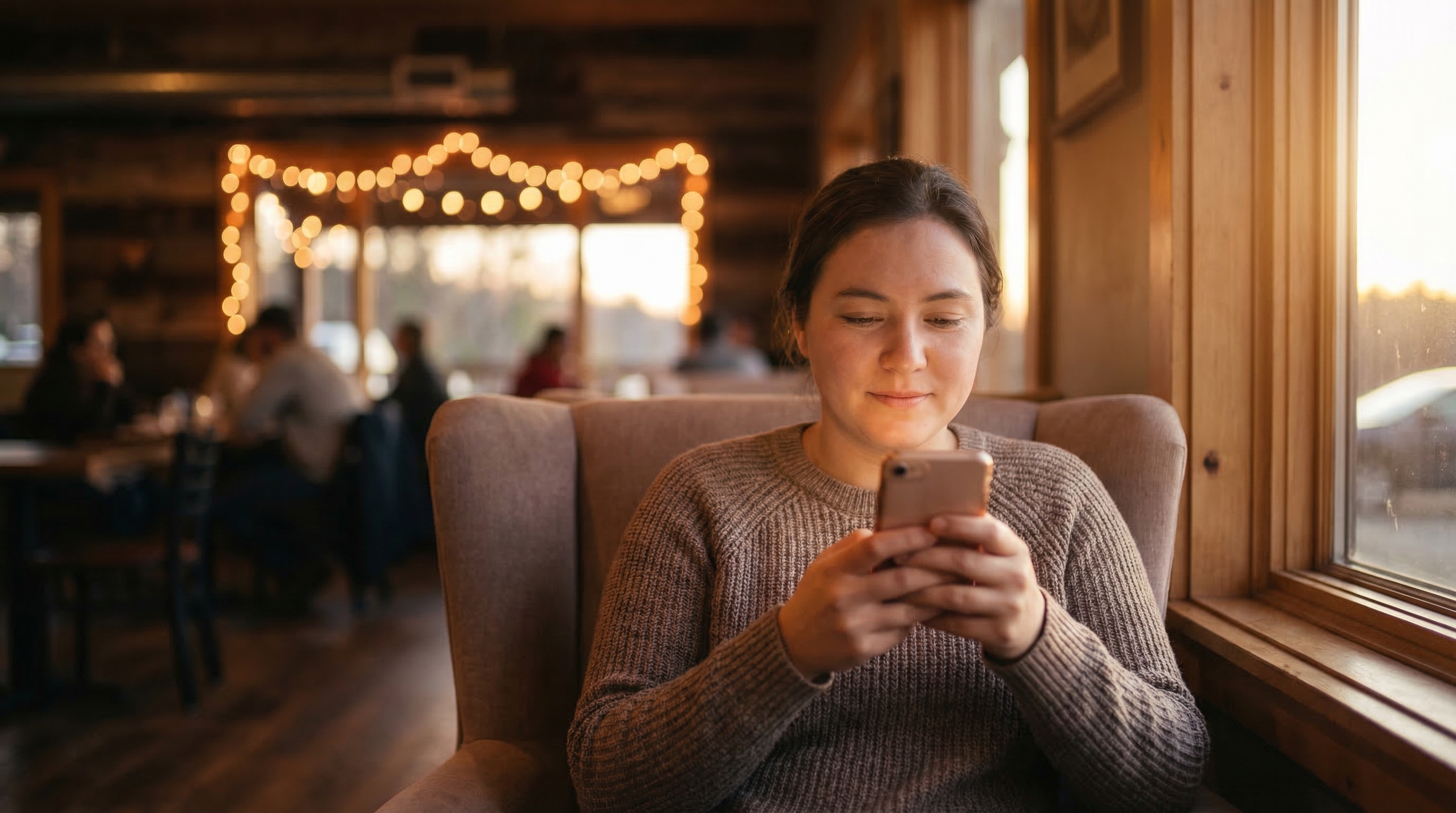
There's a particular kind of loneliness that comes with wanting connection while needing invisibility. You scroll through a queer dating app at midnight with the brightness turned down. You craft a profile that's deliberately vague. You delete conversations after reading them. You tell yourself it's just practical—it's safe—but underneath runs a current of grief.
Closeted dating isn't a failure of authenticity. For many LGBTIQ+ people, it's a survival strategy rooted in real threats: family rejection, job loss, housing insecurity, or worse. Yet the act of hiding creates its own psychological toll. This guide explores how to date with integrity while protecting what genuinely needs protecting—without letting fear consume your entire romantic life.
Understanding Your "Why"
Before you craft your first discreet queer dating profile, pause and get honest about why you need privacy.
There's a crucial difference between:
Situational closetedness (you're in a conservative workplace, living with unsupportive family, navigating a specific geographic context where safety is genuinely at risk) and internalized shame (you're isolated by homophobia you've absorbed, even when objective danger isn't present).
Both are valid starting points. But they require different strategies.
If you're in a genuinely unsafe environment—living in a region where LGBTIQ+ identity carries legal consequences, or dependent on people who've explicitly threatened rejection—closeted dating is a rational response to real danger. Your privacy isn't a character flaw; it's protective armor.
If you're navigating internalized shame or outdated beliefs about what's "appropriate," that's different work. Not dating work—identity work. Consider talking to a queer-affirming therapist alongside your dating journey.
Many people occupy both categories simultaneously. You might live safely in a progressive city but still have family you're not out to. You might have come out professionally but fear your extended community's judgment. Complexity is normal. Name it specifically so your dating choices reflect actual risk assessment rather than diffuse anxiety.
The Privacy vs. Authenticity Paradox
Here's what closeted dating demands: you must be willing to be vulnerable while maintaining careful boundaries. This isn't contradictory—it's the cornerstone of sustainable dating while closeted.
Authenticity doesn't require total disclosure. You can be genuinely, fully yourself in how you show up emotionally while maintaining privacy about your circumstances. When you match with someone on a discreet queer dating platform, you're not obligated to explain your entire closeting situation on date one (or ever, unless you choose to).
What does matter:
- Emotional honesty: You're honest about what you're looking for, what you can offer, and what your limitations are
- Realistic expectations: You're clear about whether this is a secret connection, a low-key dating situation, or exploratory intimacy
- Consent-based communication: You discuss what privacy means to each person before situations become complicated
A closeted person dating another closeted person faces different dynamics than a closeted person pursuing someone openly out. These aren't equal equations. Someone out to their community may eventually want visibility; someone closeted may not. Name this early. Resentment germinates in unstated differences.
Safety First: Building Your Protective Framework
When you're dating discreetly as part of the LGBTIQ+ community, safety takes on layered meanings.
Physical Safety
Meet in genuinely public spaces first. Not "publicly out" spaces (that might compromise your privacy), but objectively populated locations where your safety is protected by observation. Busy coffee shops, shopping districts, parks with foot traffic. Not secluded locations or someone's home until you've established basic trust.
Use location sharing strategically. Tell a chosen family member or trusted friend where you're going and when you expect to be back—without revealing who you're meeting or why. "I have a coffee meeting at 3pm, I'll text you by 5pm" is enough.
Trust your gut faster. People who pressure you to meet privately immediately, who get angry when you want to take things slowly, or who fetishize your closetedness are showing red flags. Your caution isn't paranoia—it's wisdom.
Digital Safety
Use a dedicated app account. Don't use your main social media username or profile picture across multiple platforms. Create a separate presence just for closeted dating.
Screenshots happen. Never send nudes you wouldn't want circulating. This isn't shame—it's practical reality in spaces where someone might out you as leverage, jealousy, or carelessness.
Choose your platform intentionally. Some queer dating apps have stronger privacy features, verification systems, and community safety standards. Platforms specifically designed for discreet queer dating or alternative lifestyle dating often include blocking features, photo privacy controls, and fewer connections to your mainstream social presence.
Delete strategically. Yes, delete conversations. Yes, clear your browser history. Yes, use private browsing. These aren't signs of shame—they're basic operational security for people navigating real power imbalances.
The Emotional Labor of Invisibility
Let's name something that dating apps don't tell you: closeted dating is exhausting.
You're managing multiple versions of yourself. You're hypervigilant about security. You're potentially grieving that you can't hold hands publicly with someone you care about, can't introduce them to your community, can't post a photo together. These are real losses, even if they're temporary or situational.
That grief is legitimate.
Building Your Container
Instead of pretending closeted dating is "just fine," create intentional space to process it:
Lean on chosen family. If you have even one person who knows you're dating—even if they don't know details—you have someone to debrief with. "I had a really good date but I couldn't tell anyone, and that stings" gets space to exist.
Journal about what's real. Write down what you actually feel about connections, not what you think you should feel. Anger that you have to hide? Write it. Excitement about meeting someone? Write it. Grief about limitations? Write it.
Set time boundaries. Don't let closeted dating consume all your free time. It's easy to disappear into app culture when you're already invisible to your outer world. Allocate specific times for dating, then actually live your life.
Celebrate small wins. A good conversation, genuine laughter, great chemistry—these matter just as much in discreet dating as anywhere else. Don't minimize your experiences because they're private.
When to Reconsider Closeted Dating
There are moments when staying closeted and dating becomes unsustainable. Know your own breaking points:
You're internalizing shame about your sexuality or identity. If closeted dating is reinforcing beliefs that you're fundamentally wrong or dirty, it's time to pause and invest in healing work first.
You're at actual psychological risk. Some people find that hiding dating accelerates anxiety, depression, or self-harm patterns. If that's you, safety might mean not dating while closeted—even though that's not the answer you wanted to hear.
Your situation has changed. You got a new job. You moved. Your family situation shifted. What once required closetedness might not anymore. Reassess regularly.
You're only dating people out to hide your own coming out. This is using someone as a proxy for your own identity work. It's not fair to them, and it won't resolve what you're actually afraid of.
Building Connection Across the Privacy Border
Some of the most genuine connections happen between closeted and out people, or between two closeted people at different stages of their journey. Here's how to make it work:
Clear Communication
Have explicit conversations about what's possible. Not on date one, but before things get emotionally invested. "I need to keep this private because of my situation, and I don't know when that will change" is radically honest. So is "I'm out to my close circle and this will probably need to expand over time."
Name the asymmetries. If one person is out and one is closeted, that creates real imbalances in what each person can offer and receive. Acknowledge it. Discuss whether you can both live with it.
Revisit this conversation periodically. Situations change. Feelings shift. What worked three months ago might not work anymore. Check in.
Managing Expectations
Understand what you're building. Some closeted dating situations are:
- Temporary connections (you're both closeted but expect things to change)
- Discrete partnerships (you're building something real but with explicit privacy boundaries)
- Exploratory intimacy (you're figuring out your sexuality/identity in a protected space)
- Chosen family dating (emotional and physical intimacy without traditional relationship structure)
None of these are "less than" open dating. They're different. Make sure you're both opting into the same version.
Don't expect the other person to wait. If you're closeted and they're not, and if the trajectory of the relationship requires you to eventually come out to be public together, don't ask them to stay closeted on your timeline indefinitely. That's not fair or sustainable.
Celebrate what you can do. You can have incredible conversations. You can experience genuine intimacy. You can build inside jokes and memories. You can absolutely fall in love. The privacy limitation doesn't negate the realness.
The Transition Out
Many people who date while closeted eventually come out—to their families, communities, or publicly. If that's your trajectory, your dating patterns might shift too.
This isn't a betrayal of past partners. If you dated someone while closeted and later became openly out, you're not being disloyal. You're growing. They're growing. Sometimes that growth happens together; sometimes it happens separately.
Closure conversations matter. If a closeted dating connection ends because you're becoming more open and they're not (or vice versa), name that. "This was real, and this is where we're both heading" creates dignity for what existed.
Your closeted dating experience is part of your story. It doesn't need to be erased or hidden once you're out. It's part of how you survived, how you learned about yourself, how you loved.
Your Identity Is Your Strength
Dating while closeted is complicated. It's protective and limiting, real and invisible, necessary and sometimes painful.
But here's what matters most: you're still seeking connection. You're still showing up for yourself. You're still being a person worthy of love and desire, regardless of who knows about it.
Your privacy needs are valid. Your desire for connection is valid. Your timeline for coming out (or not) is valid. You don't have to sacrifice your safety to prove your queerness to anyone.
The goal isn't to stay closeted forever (unless that's genuinely what you choose). The goal is to date with integrity right now, in the situation you're actually in. To build connections that feel good. To protect what needs protecting. To eventually reach a place where you can be seen.
Until then: date on your own terms. Love without limits. Stay safe, stay connected, and know that the LGBTIQ+ community sees you—even when the world around you can't yet.
Key Takeaways
✨ Know your why. Understand whether your closetedness is situational safety or internalized shame—they require different approaches.
✨ Authenticity ≠ Total transparency. You can be emotionally genuine while maintaining privacy about your circumstances.
✨ Safety is non-negotiable. Use dedicated accounts, meet publicly, trust your instincts, and protect digital evidence.
✨ Name the emotional labor. Closeted dating is exhausting. Create space to grieve what's hidden and celebrate what's real.
✨ Communicate explicitly. Talk about what's possible, what's not, and what you both need—before feelings complicate everything.
✨ Know your breaking points. Reassess regularly whether closeted dating is serving you or harming you.
✨ Your story matters. Whether you're closeted right now or came out yesterday, your journey in queer dating is valid and visible to those who need to see it.
Read more
Navigating the Unique Dynamics of LGBTQ+ Dating
Explore the diverse and vibrant world of LGBTQ+ dating dynamics, celebrating identity and fostering connections that resonate.
Rediscovering Love: The Power of Chosen Family in the LGBTIQ+ Community
Explore the transformative power of chosen families within the LGBTIQ+ community and how they redefine love and support.
Trans-Dating: A Fresh Perspective on Connections and Authenticity
Discover how trans dating can redefine connections, affirm identities, and foster incredible relationships within the LGBTIQ+ community.