
Bisexual Dating Challenges: Overcoming Biphobia and Finding Accepting Partners
Navigate the unique landscape of bi dating with confidence, authenticity, and community support
Your Bisexual Identity Is Valid—And Worth Celebrating
Bisexuality isn't a phase, a stepping stone, or a state of confusion. It's a complete, beautiful sexual identity that deserves recognition, respect, and celebration. Yet for many bi individuals navigating the dating world, finding accepting partners who truly understand and embrace bisexuality can feel like searching for a needle in a haystack.
The reality is that bisexual dating comes with unique challenges that monosexual individuals rarely face. From dealing with harmful stereotypes to finding partners who won't fetishize or dismiss your identity, the journey requires both resilience and strategy.
The Reality of Biphobia in Modern Dating
Internal Community Challenges
One of the most painful aspects of biphobia in dating is that it doesn't just come from outside the LGBTIQ+ community—it can emerge from within. Some gay and lesbian individuals may view bisexuality as "incomplete" queerness, while straight people might see it as experimentation or attention-seeking.
This dual exclusion creates what many bi folks call "the invisible middle"—feeling too queer for straight spaces and not queer enough for gay spaces. Dating apps can amplify this when profiles explicitly state "no bis" or when potential matches make assumptions about your relationship capacity based solely on your orientation.
The Myth Machine
Biphobia manifests through persistent myths that directly impact dating experiences:
- The infidelity assumption: Partners worry you'll inevitably cheat because you're attracted to multiple genders
- The phase myth: Dates treating your bisexuality as temporary or experimental
- The greedy stereotype: Being labeled as sexually insatiable or unable to commit
- The confusion narrative: Others believing you simply haven't "picked a side" yet
These stereotypes aren't just annoying—they're relationship killers that prevent genuine intimacy from developing.
Strategies for Authentic Bisexual Dating
Lead with Confidence, Not Defense
When engaging in bi visibility dating, resist the urge to over-explain or justify your identity. Your bisexuality doesn't require a dissertation or proof through dating history. Instead of saying "I'm bi but I'm not confused," try "I'm bi and excited to connect with someone who celebrates all parts of me."
This confident approach filters out people who aren't ready for authentic connection while attracting those who appreciate your self-assurance.
Create Biphobia-Free Dating Profiles
Your dating profile should be a celebration of your authentic self, not a defensive statement. Include:
- Clear, proud identification of your bisexuality
- Interests and values that matter to you beyond orientation
- What you're seeking in terms of connection and relationship structure
- Subtle signals that indicate LGBTIQ+ allyship or community involvement
Avoid defensive language like "real bisexual" or "not going through a phase." Let your authenticity speak for itself.
Master the Art of Early Conversations
The first few conversations are crucial for establishing whether someone truly accepts your bisexuality. Pay attention to:
- Do they ask respectful questions about your identity or make assumptions?
- How do they react when you mention past relationships with different genders?
- Are they curious about your experiences or do they seem threatened?
- Do they use inclusive language naturally or stumble over basic terminology?
These early indicators reveal whether someone has the emotional maturity for bisexual relationships.
Finding Your Tribe: Where Accepting Partners Gather
LGBTIQ+-Specific Platforms and Spaces
While mainstream dating apps have their place, platforms specifically designed for queer dating often provide more understanding environments. Look for apps that:
- Allow detailed identity specification beyond basic categories
- Have strong community guidelines against discrimination
- Offer educational resources about different sexual orientations
- Actively promote inclusivity in their marketing and features
Community Events and Social Spaces
Some of the most meaningful connections happen offline in community spaces where bisexuality is normalized and celebrated:
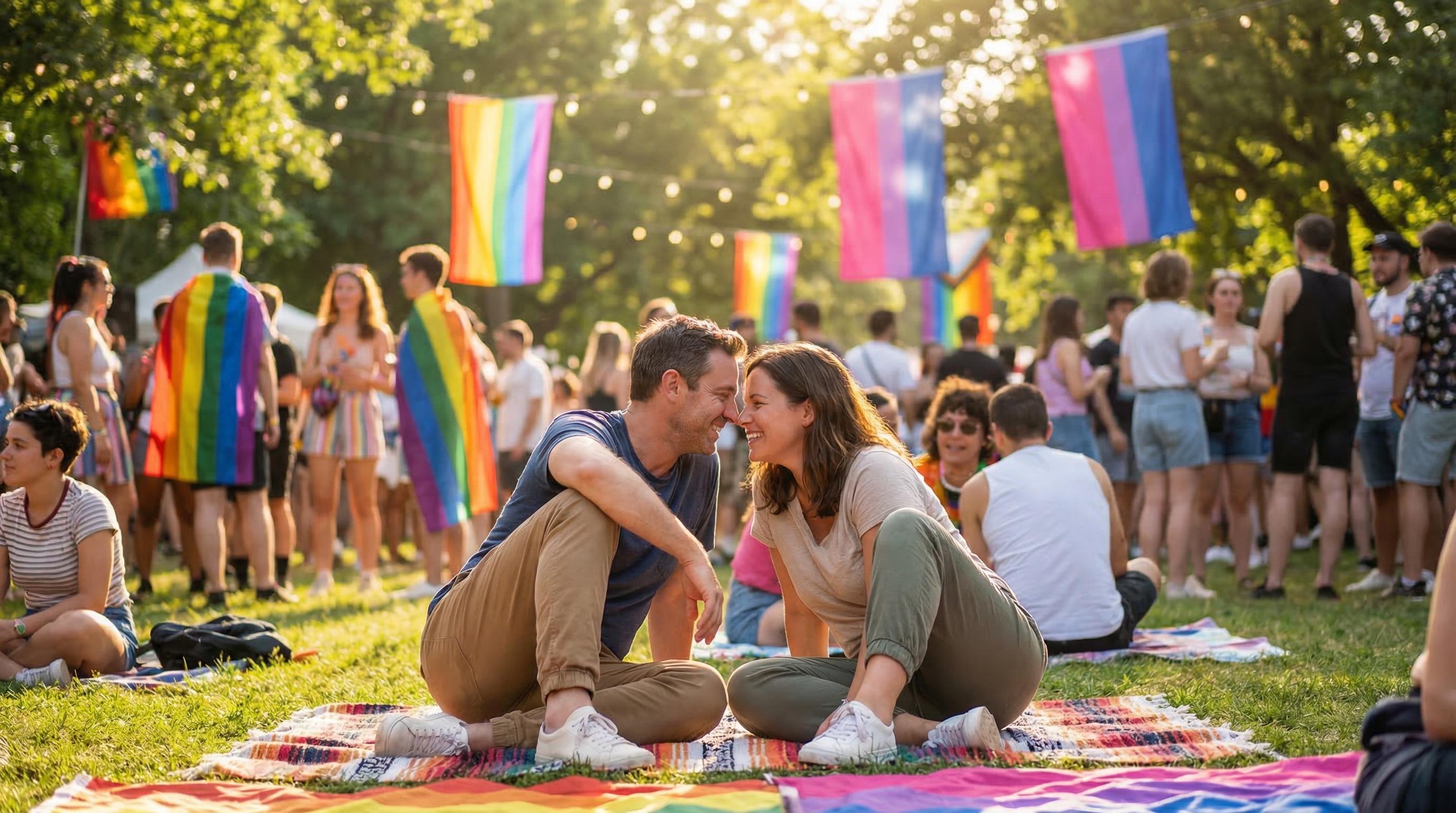
- Pride events with specific bi visibility components
- LGBTIQ+ book clubs or discussion groups
- Queer-friendly hobby groups (sports leagues, art classes, volunteer organizations)
- Community center events that explicitly welcome all orientations
These spaces naturally filter for people who are already educated about and supportive of diverse sexual identities.
Polyamory and Alternative Lifestyle Communities
Many bisexual individuals find accepting partners within polyamorous communities, not because bisexuality requires multiple partners, but because these communities often have more nuanced understanding of sexual fluidity and identity complexity. The emphasis on communication, consent, and honesty in poly communities aligns well with the authentic expression that many bi individuals seek.
Red Flags vs. Green Flags in Potential Partners
Immediate Red Flags
- Asking about your "number" with different genders
- Suggesting threesomes as a first response to your bisexuality
- Making jokes about you being "greedy" or "can't decide"
- Expressing insecurity about your attraction to other genders
- Using your bisexuality as ammunition during arguments
- Treating your past relationships as less valid based on gender
Encouraging Green Flags
- Asking thoughtful questions about your experiences without being invasive
- Including LGBTIQ+ rights or allyship in their values
- Having friends across the sexual orientation spectrum
- Showing genuine interest in learning about bisexual experiences
- Demonstrating security in their own identity
- Respecting your boundaries around discussing your dating history
Building Bisexual-Affirming Relationships
Communication Foundations
Successful bisexual relationships require partners who can engage in ongoing conversations about identity, attraction, and needs. This doesn't mean constantly discussing your bisexuality, but rather having a partner who can handle these topics with maturity when they arise.
Establish early that your bisexuality is:
- An integral part of who you are, not a separate compartment
- Not something that needs to be "managed" or controlled
- A source of pride, not shame or secrecy
- Compatible with monogamous commitment if that's your relationship style
Addressing Insecurity with Compassion
Even well-meaning partners may occasionally struggle with insecurity related to your bisexuality. The key is distinguishing between someone who's genuinely working through their feelings versus someone who's using their insecurity to control or shame you.
A partner worth keeping will:
- Take responsibility for their insecurities rather than making them your problem
- Seek education and resources to better understand bisexuality
- Communicate their feelings without attacking your identity
- Show consistent effort to overcome their biases
Creating Your Support Network
Online Communities
Building connections with other bisexual individuals provides crucial support and perspective. Online forums, social media groups, and virtual meetups offer spaces to:
- Share dating experiences and get advice from people who understand
- Celebrate victories and process disappointments
- Learn strategies that have worked for others
- Find mentorship from bi individuals in long-term relationships
Local Resources
Many cities have bisexual-specific support groups or social organizations. These provide:
- In-person community and friendship opportunities
- Educational workshops about healthy relationships
- Advocacy training to help combat biphobia
- Networking opportunities with potential romantic connections
The Future of Bisexual Dating
As bi visibility dating becomes more mainstream and educational resources expand, the landscape is slowly improving. Younger generations show increased understanding and acceptance of bisexuality, while dating platforms are beginning to offer more inclusive features and anti-discrimination policies.
Your role in this evolution is simply being your authentic self—proud, confident, and unwilling to settle for partners who don't celebrate all of who you are.
Moving Forward with Pride and Purpose
Navigating bisexual dating challenges isn't about changing yourself to fit others' limited perspectives—it's about finding the people who recognize your worth exactly as you are. Every confident conversation, every boundary you maintain, and every authentic connection you make contributes to a world where biphobia in dating becomes obsolete.
Your bisexuality is not a complication to manage but a strength that brings unique perspective, empathy, and authenticity to your relationships. The right partners will see this immediately and celebrate it continuously.
Remember: you're not asking for tolerance—you're offering the gift of your authentic self to someone worthy of receiving it. Choose partners who recognize that gift for the treasure it truly is.
Read more
Navigating the Unique Dynamics of LGBTQ+ Dating
Explore the diverse and vibrant world of LGBTQ+ dating dynamics, celebrating identity and fostering connections that resonate.
Rediscovering Love: The Power of Chosen Family in the LGBTIQ+ Community
Explore the transformative power of chosen families within the LGBTIQ+ community and how they redefine love and support.
Trans-Dating: A Fresh Perspective on Connections and Authenticity
Discover how trans dating can redefine connections, affirm identities, and foster incredible relationships within the LGBTIQ+ community.