
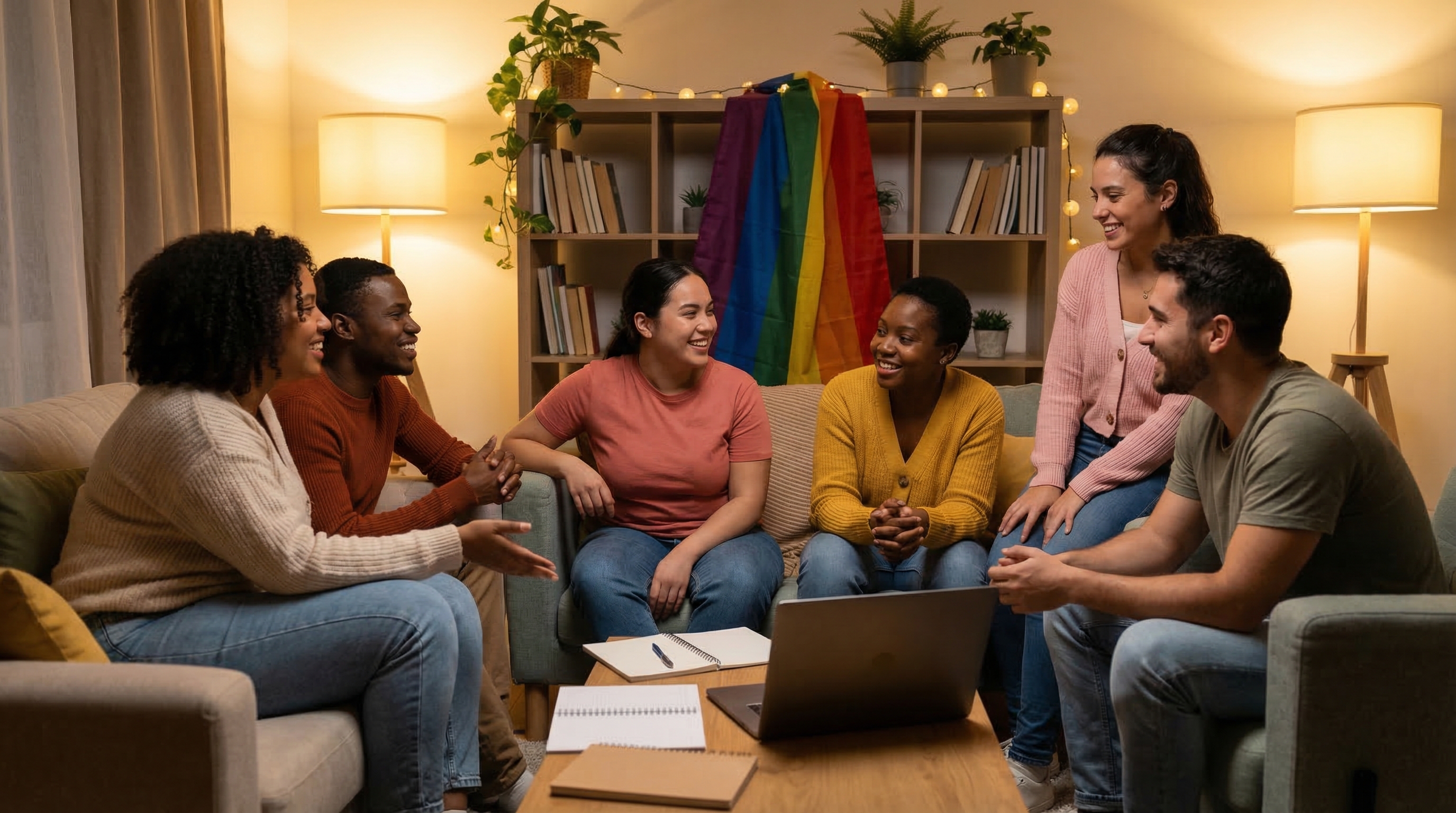
Beyond the Couple: Thriving in Polyamory and Open Relationships Within the LGBTIQ+ Community
Building authentic connections through radical honesty, consent culture, and celebrating love without limits
Your Love Story Doesn't Have to Fit in a Box
In LGBTIQ+ communities, we've always understood that love comes in countless forms. From chosen families to fluid identities, we've been rewriting the rules of connection long before mainstream culture caught on. Polyamory dating and open relationship dating aren't just relationship styles for our community—they're expressions of the same radical authenticity that drives us to live openly as ourselves.
The beautiful truth? When you're already challenging heteronormative assumptions about gender and sexuality, questioning monogamous assumptions feels like a natural next step. Your identity is your strength, and that includes how you choose to structure your relationships.
The LGBTIQ+ Advantage in Ethical Non-Monogamy
We're Already Fluent in Difficult Conversations
Coming out teaches us uncomfortable truths about communication. Those late-night conversations with yourself, the careful words chosen when telling family, the negotiations around pronouns and names—all of this builds communication muscles that serve ethical non-monogamy beautifully.
Transgender individuals navigating transition discussions understand consent and boundaries in ways that translate powerfully to polyamory dating. Non-binary folks explaining their identity develop clarity skills that make discussing relationship structures feel familiar. Same-gender couples who've had to explicitly discuss roles and expectations often find open relationship dating conversations flow more naturally.
Community-Tested Wisdom
Our communities have been practicing alternative lifestyle dating longer than dating apps have existed. Leather families, chosen families, and fluid relationship structures aren't new concepts—they're part of our cultural DNA. This means we have elders, mentors, and community wisdom to draw from when navigating multiple partnerships.
The leather community's emphasis on negotiated relationships, the ballroom scene's understanding of chosen family dynamics, and queer women's historical relationship anarchy practices all contribute to a rich foundation for modern polyamory and open relationships.
The Four Pillars of LGBTIQ+ Polyamory
1. Radical Consent Culture
Consent in LGBTIQ+ spaces goes beyond "yes" or "no"—it's about enthusiastic, ongoing, informed agreement. In polyamory dating, this means:
Pre-negotiation rituals: Before any new connection begins, all existing partners participate in discussions about boundaries, safer sex practices, and emotional needs. This isn't just practical—it's honoring everyone's agency.
Identity-affirming consent: When your girlfriend wants to explore with someone who uses different pronouns, the conversation includes how that exploration affects your own gender expression and comfort. When your partner connects with someone from a different cultural background, you discuss how that impacts community dynamics.
Trauma-informed boundaries: Many LGBTIQ+ individuals carry relationship trauma from family rejection, discrimination, or unsafe dating experiences. Ethical non-monogamy means creating extra safety around triggers and healing processes.
2. Identity-Integrated Communication
Your communication style should honor who you are, not who others expect you to be:
Code-switching awareness: Recognize when you're shifting communication styles between partners from different communities. Your butch girlfriend might prefer direct, action-oriented discussions, while your femme partner values emotional processing time. Neither is wrong—both deserve authentic communication.
Intersectional check-ins: Regular conversations about how your race, class, disability status, or other identities affect your relationship experiences. When your Black partner faces workplace discrimination, how does that impact their emotional availability? When your disabled partner's access needs change, how do you adjust group activities?
Chosen family integration: Discussing how new relationships fit into existing chosen family structures. Your drag family, your leather family, your found family of origin—these relationships matter and deserve consideration in new partnership discussions.
3. Community-Centered Safety
Safety in alternative lifestyle dating means more than physical protection:
Disclosure ethics: Navigating when and how to share information about HIV status, mental health, transition status, or other personal details across multiple partnerships requires community-informed wisdom.
Chosen family vetting: Your chosen family often provides crucial insight about new partners. Unlike blood family who might judge your relationship style, chosen family understands your values and can spot red flags specific to ethical non-monogamy.
Crisis support networks: When jealousy strikes, when someone violates boundaries, or when relationships end, having community support that understands both LGBTIQ+ identity and polyamory challenges makes all the difference.
4. Celebration Over Scarcity
LGBTIQ+ communities understand abundance mentality because we've had to create our own spaces for love and acceptance:
Compersion cultivation: Finding joy in your partners' joy with others feels natural when you've experienced the magic of chosen family love. When your partner glows after a wonderful date, you can celebrate that glow instead of feeling threatened.
Identity expansion: New relationships can help partners explore different aspects of their identity. Your partner's connection with someone more butch might help them explore their femme side. Their relationship with someone from a different cultural background might expand their community connections.
Resource sharing: Multiple partners mean multiple perspectives, skills, and support systems. Your metamour might be an amazing cook, your other partner might have great professional connections, and together you create a web of mutual support.
Navigating Challenges with Community Wisdom
When Jealousy Meets Identity
Jealousy in LGBTIQ+ polyamory often intersects with identity insecurities:
Comparing across gender expressions: When your partner dates someone whose gender expression differs dramatically from yours, jealousy might mask gender dysphoria or identity questions. Address the real issue—your own relationship with your identity—rather than trying to control your partner's choices.
Community competition: Small LGBTIQ+ communities can create unique jealousy challenges when partners date within the same social circles. Develop protocols for navigating community events, shared friends, and social dynamics.
Privilege analysis: Sometimes jealousy reflects privilege differences. If your partner's new connection has more passing privilege, financial resources, or family acceptance, acknowledge these systems while working through your feelings.
Building Bridges Across Differences
Cultural navigation: When partners come from different LGBTIQ+ communities—say leather culture and mainstream gay culture—create space for learning and appreciation rather than assimilation demands.
Generational gaps: Older LGBTIQ+ individuals might approach relationships differently than younger community members. Honor both perspectives while finding common ground in shared values.
Activism alignment: Partners with different levels of political engagement or activist priorities need ongoing conversations about how these differences affect relationship dynamics.
Practical Tools for LGBTIQ+ Polyamory Success
The Identity-Relationship Matrix
Create a living document that tracks how your various identities intersect with your relationships:
- How does your disability affect spoon distribution across partners?
- When does your work schedule as a healthcare worker impact date planning?
- How do your spiritual practices integrate with partners from different faith backgrounds?
Community Calendar Coordination
LGBTIQ+ social calendars include Pride events, political actions, chosen family gatherings, and community celebrations. Coordinate these commitments across multiple partnerships:
- Which Pride events are you attending together versus separately?
- How do you navigate community fundraisers when partners have different financial situations?
- What's your protocol for chosen family holiday celebrations?
Safety Protocol Development
Develop comprehensive safety protocols that address LGBTIQ+ specific concerns:
- Emergency contacts who understand your relationship structure
- Healthcare directives that include all relevant partners
- Safer sex protocols that account for different gender expressions and sexual practices
- Mental health crisis plans that involve appropriate community support
Technology and LGBTIQ+ Polyamory
Alternative lifestyle dating apps are finally catching up to our community needs, but thoughtful navigation remains essential:
Profile authenticity: Be specific about your identity, relationship style, and what you're seeking. "Queer polyamorous switch seeking emotionally intelligent connections" tells a much better story than generic descriptions.
Safety protocols: Use community networks to verify new connections when possible. Many cities have LGBTIQ+ polyamory social groups where you can meet potential partners in person first.
Boundary communication: Be upfront about your existing relationships, safer sex practices, and time availability. Ethical non-monogamy means informed consent from the first message.
Creating Your Relationship Revolution
Your polyamory or open relationship isn't just personal—it's political. Every time you love openly, communicate honestly, and build chosen family connections, you're demonstrating that love without limits isn't just possible—it's powerful.
Your relationships get to be as unique, complex, and beautiful as you are. Whether you're exploring polyamory dating for the first time or deepening your practice of ethical non-monogamy, remember that your community has your back, your identity is your strength, and love—in all its forms—is worth celebrating.
The world needs more examples of relationships built on radical honesty, enthusiastic consent, and authentic connection. Your polyamorous journey isn't just about finding love—it's about modeling what love can look like when we refuse to fit into boxes that were never designed for us in the first place.
Dating on your own terms means defining success by your own values, building connections that honor your full identity, and creating the kinds of relationships that make you feel safe, celebrated, and connected. That's not just good polyamory—that's revolutionary love.
Read more
Navigating the Unique Dynamics of LGBTQ+ Dating
Explore the diverse and vibrant world of LGBTQ+ dating dynamics, celebrating identity and fostering connections that resonate.
Rediscovering Love: The Power of Chosen Family in the LGBTIQ+ Community
Explore the transformative power of chosen families within the LGBTIQ+ community and how they redefine love and support.
Trans-Dating: A Fresh Perspective on Connections and Authenticity
Discover how trans dating can redefine connections, affirm identities, and foster incredible relationships within the LGBTIQ+ community.