
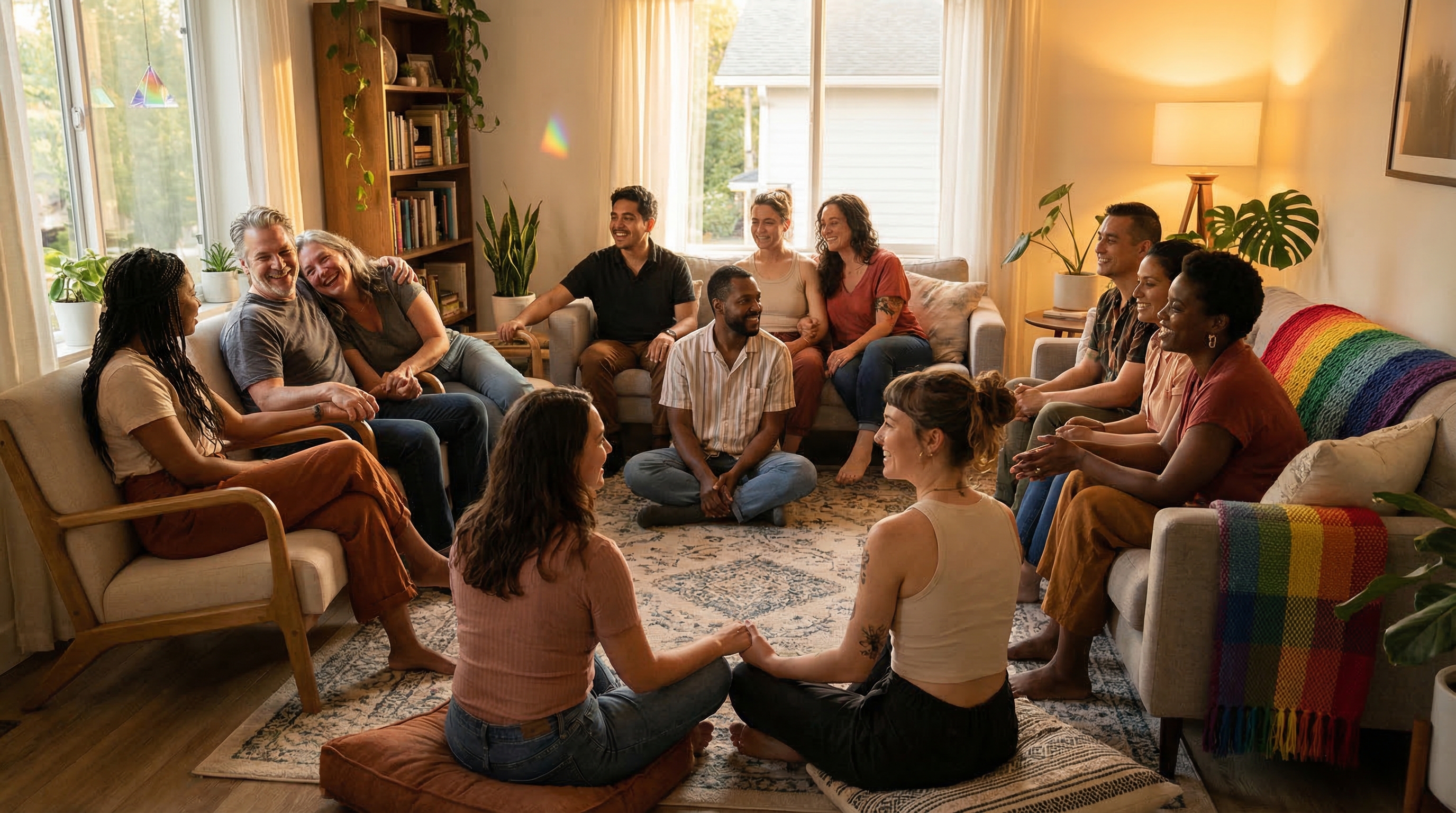
Beyond the Binary of Love: Navigating Polyamory and Open Relationships in LGBTIQ+ Spaces
Transform your dating journey with authentic consent practices, revolutionary communication frameworks, and identity-affirming relationship structures
Your Love Story Doesn't Need Permission—But Your Partners Do
In LGBTIQ+ spaces, we've already shattered one set of expectations about who we can love. Now it's time to reimagine how many people we can love simultaneously. Polyamory dating and open relationship dating aren't just relationship styles—they're revolutionary acts of self-determination that honor the full spectrum of human connection.
Your journey into ethical non-monogamy starts with understanding that alternative lifestyle dating in our community isn't about rebelling against norms—it's about creating authentic structures that celebrate every facet of your identity.
The Consent Revolution: Moving Beyond "Yes" to "Hell Yes"
Enthusiastic Consent as Love Language
In LGBTIQ+ polyamory, consent isn't a checkbox—it's an ongoing conversation that evolves with your relationships. Traditional dating advice talks about getting consent; our community practices consent as a love language.
The Four Pillars of Radical Consent:
- Identity-Affirming Consent: Every interaction honors your pronouns, identity, and boundaries around how you're perceived in different relationships
- Temporal Consent: Permission that acknowledges people change, grow, and need different things at different life stages
- Community-Conscious Consent: Choices that consider how your relationships impact your chosen family and community
- Intersectional Consent: Recognition that your race, class, disability status, and other identities affect how you experience relationships
Practical Consent in Action
When dating multiple partners, consent conversations look different in our community. Instead of asking "Can I see other people?", try:
- "How do you want to be included in decisions about new relationships?"
- "What support do you need when I'm developing feelings for someone else?"
- "How can we honor your anxiety around abandonment while I explore other connections?"
Communication Frameworks That Actually Work for LGBTIQ+ Relationships
The Check-In Revolution
Forget weekly relationship meetings—our community needs communication structures that account for trauma responses, varying communication styles, and the reality of dating while marginalized.
The PRIDE Communication Model:
Present: Start conversations by acknowledging current emotional states and capacity Recognize: Name the identities and experiences each person brings to the conversation Intentional: Set clear goals for what you hope to accomplish Dialogue: Create space for multiple perspectives without rushing to solutions Evaluate: End with concrete next steps and timeline for follow-up
Navigating Jealousy Through a Queer Lens
Jealousy in LGBTIQ+ polyamory often stems from scarcity mindset rooted in systemic oppression. When society tells us there's limited acceptance for who we are, sharing romantic attention can trigger survival responses.
Reframing Jealousy as Information:
- "I'm feeling jealous" becomes "I'm noticing I need more reassurance about my place in your life"
- "They're better than me" becomes "I'm comparing myself to someone with different privileges or circumstances"
- "You'll leave me" becomes "I need to feel more secure in our connection"
The Art of Dating Multiple Partners While Staying Authentic
Scheduling That Honors Your Whole Self
Polyamory dating in LGBTIQ+ spaces requires acknowledging that your energy levels, social batteries, and emotional availability fluctuate based on external stressors like discrimination, family rejection, or workplace challenges.
Energy-Based Scheduling Principles:
- Spoon Theory Dating: Plan relationships around your actual capacity, not idealized availability
- Identity Labor Awareness: Recognize when code-switching or masking in certain environments affects your relationship energy
- Recovery Time Integration: Build in buffer time between high-stakes social situations and intimate connections
Managing Multiple Dating App Profiles
Using an lgbtq dating app for polyamory requires strategic authenticity. Your profile should communicate your relationship style while protecting your safety and privacy.
Profile Strategy for Ethical Non-Monogamy:
- Lead with your relationship philosophy, not just your availability
- Use community-specific language that signals shared values
- Include photos that represent different aspects of your identity
- Be explicit about safer sex practices and testing schedules
Building Chosen Family Through Multiple Relationships
The Metamour Connection
In traditional polyamory advice, metamours (your partner's other partners) are often treated as obstacles to manage. In LGBTIQ+ spaces, metamours can become integral parts of your chosen family network.
Cultivating Metamour Relationships:
- Attend community events together to normalize your family structure
- Share childcare, elder care, or disability support responsibilities
- Create traditions that honor the full constellation of your relationships
- Support each other through discrimination or family rejection
Navigating Coming Out—Again and Again
Every new relationship in your polyamorous network might require coming out about your sexual orientation, gender identity, and relationship structure. This triple coming-out process requires strategic planning and community support.
Coming Out Strategy for Poly LGBTIQ+ Folks:
- Develop elevator pitches for different audiences and safety levels
- Create support systems for partners who aren't out in all spaces
- Plan for how relationship changes affect your safety in various communities
- Build legal protections where possible (wills, medical directives, etc.)
Sexual Health in Multi-Partner Networks
Beyond STI Testing: Holistic Sexual Wellness
Sexual health in ethical non-monogamy extends beyond preventing infections. It includes mental health support, trauma-informed practices, and celebrating sexual autonomy.
Comprehensive Sexual Health Practices:
- Regular testing schedules that all network members understand and consent to
- Trauma-informed negotiation around triggers and boundaries
- Mental health support for processing relationship changes
- Celebration of sexual exploration and discovery
Barrier Methods That Honor Identity
Safer sex practices in LGBTIQ+ polyamory must account for gender dysphoria, body autonomy, and diverse sexual practices. Work with healthcare providers who understand both alternative lifestyle dating and LGBTIQ+ health needs.
Technology and Tools for Ethical Non-Monogamy
Digital Organization for Complex Relationships
Managing multiple relationships requires systems that respect everyone's privacy while maintaining transparency where needed.
Essential Digital Tools:
- Shared calendars that protect sensitive information
- Password managers for dating profiles and shared accounts
- Encrypted messaging for sensitive conversations
- Budgeting apps that account for multiple relationships
Social Media Strategy
Representing your polyamorous LGBTIQ+ life on social media requires balancing authenticity with safety. Consider which platforms feel safest for different types of sharing.
Legal and Practical Considerations
Protecting Your Chosen Family
Without legal marriage recognition for multiple partners, LGBTIQ+ polyamorous people must create alternative legal protections.
Legal Planning Essentials:
- Medical decision-making documents for all significant partners
- Will and estate planning that reflects your chosen family
- Power of attorney arrangements for financial decisions
- Emergency contact protocols that honor relationship hierarchy
Financial Planning for Multiple Relationships
Dating multiple people costs money, and financial stress can strain even the most solid relationships. Create budgets that account for your actual relationship goals and capacity.
Growing Your Network Authentically
Finding Community in Unexpected Places
The best polyamory communities for LGBTIQ+ folks often exist at the intersection of multiple identities. Look for groups that center racial justice, disability rights, or other intersectional concerns.
Community Building Strategies:
- Attend workshops on topics beyond just polyamory
- Volunteer for LGBTIQ+ organizations alongside your partners
- Create social events that welcome diverse relationship structures
- Mentor newer community members navigating similar journeys
Dating Apps vs. Organic Connections
While queer dating apps provide access to like-minded individuals, the most fulfilling connections often develop through shared activities and community involvement.
When Things Get Complicated
Relationship Transitions and Breakups
Breaking up with one person in a polyamorous network affects everyone connected to that relationship. Plan for transitions with the same care you put into relationship beginnings.
Transition Planning:
- Discuss how breakups will be handled before they happen
- Create support systems for all affected parties
- Respect different grieving processes and timelines
- Maintain shared community connections where possible
Dealing with Discrimination
Facing discrimination for being both LGBTIQ+ and polyamorous requires extra resilience and community support. Build networks that understand intersectional oppression.
Your Authentic Love Story Starts Now
Ethical non-monogamy in LGBTIQ+ spaces isn't about having more relationships—it's about having relationships that honor every aspect of who you are. Your love story can be as complex, beautiful, and revolutionary as you are.
Remember: your identity is your strength, your boundaries are sacred, and your chosen family is valid. Whether you're using a trans dating app to find your first polyamorous connection or deepening existing relationships through better communication, you deserve love that celebrates rather than diminishes your authentic self.
Start where you are, use what you have, and trust that the right people will appreciate the full spectrum of love you have to offer. Your polyamorous journey isn't just about dating multiple partners—it's about creating a life structure that supports your fullest, most authentic expression of love.
Read more
Navigating the Unique Dynamics of LGBTQ+ Dating
Explore the diverse and vibrant world of LGBTQ+ dating dynamics, celebrating identity and fostering connections that resonate.

Rediscovering Love: The Power of Chosen Family in the LGBTIQ+ Community
Explore the transformative power of chosen families within the LGBTIQ+ community and how they redefine love and support.
Trans-Dating: A Fresh Perspective on Connections and Authenticity
Discover how trans dating can redefine connections, affirm identities, and foster incredible relationships within the LGBTIQ+ community.