

Beyond the Binary of Love: Mastering Polyamory and Open Relationships in the LGBTIQ+ Community
Your guide to ethical non-monogamy where consent, communication, and community converge
Beyond the Binary of Love: Mastering Polyamory and Open Relationships in the LGBTIQ+ Community
Your Identity, Your Rules: Redefining Love Beyond Convention
In a world that often assumes love comes in one flavor, the LGBTIQ+ community has always understood something profound: there's no single way to love, live, or connect. Polyamory dating and open relationship dating aren't just alternative lifestyle choices—they're expressions of authenticity that honor our diverse ways of experiencing intimacy.
Your journey toward ethical non-monogamy deserves the same celebration as any other part of your identity. Whether you're exploring polyamory as a trans person seeking multiple affirming connections, a queer individual building your chosen family, or someone whose heart simply doesn't fit monogamous molds, your path is valid.
The Foundation: Consent as Your North Star
Enthusiastic Consent in Multiple Relationships
Consent in polyamory extends far beyond the bedroom—it's the foundation of every interaction, boundary, and relationship structure you build. Unlike mainstream dating culture that often treats consent as a checkbox, ethical non-monogamy requires ongoing, enthusiastic agreement from everyone involved.
Start with yourself: What does consent mean to your body, your time, your emotional energy? As LGBTIQ+ individuals, many of us have had to fight for bodily autonomy and the right to love authentically. Carry that hard-won wisdom into your polyamorous practice.
The Consent Calendar: Practical Tools for Multiple Partners
Create a consent framework that honors everyone's needs:
- Temporal consent: Agreement about how time is shared and when schedules change
- Emotional consent: Permission to share feelings, process relationship dynamics, and seek support
- Physical consent: Ongoing discussion about safer sex practices, STI testing, and physical boundaries
- Social consent: Agreement about public displays, meeting friends/family, and community involvement
Communication: The Art of Loving Transparently
Beyond "We Need to Talk": Revolutionary Communication Tools
Effective communication in polyamory isn't just about avoiding conflict—it's about creating intimacy through radical honesty. The LGBTIQ+ community has always excelled at creating chosen families through authentic connection. Apply these same skills to your multiple relationships.
The Weekly Relationship Weather Report: Schedule regular check-ins with each partner where you share:
- Your emotional landscape
- Upcoming challenges or opportunities
- Gratitude for specific moments
- Needs for the coming week
The Metamour Map: Create visual representations of your relationship network that honor everyone's position and preferences for interaction.
Navigating Jealousy and Compersion in Community
Jealousy isn't failure—it's information. In our community, where scarcity mentality around love has often been imposed upon us, learning to transform jealousy into compersion (joy for your partner's other connections) becomes revolutionary.
Practice the LGBTIQ+ superpower of chosen family: When jealousy arises, lean into community. Your queer friends, your polyamory dating connections, your chosen family can offer perspective that biological family or mainstream society often can't.
Building Your Polyamorous Support Network
Finding Your Tribe: Alternative Lifestyle Dating Communities
The beauty of ethical non-monogamy within the LGBTIQ+ community lies in our existing networks of chosen family and authentic connection. Your polyamorous journey isn't happening in isolation—it's part of a larger tapestry of living authentically.
Local Polyamory Meetups: Many cities have LGBTIQ+-friendly polyamory groups that combine social support with educational resources. These spaces often feel safer than mainstream non-monogamy groups because they already understand identity-based discrimination and the importance of inclusivity.
Online Communities: Queer dating apps and alternative lifestyle dating platforms increasingly offer polyamory-specific features. Look for platforms that allow you to specify your relationship style, link partner profiles, and connect with like-minded individuals.
Creating Brave Spaces for Multiple Relationships
Your polyamorous relationships deserve the same safety and celebration as any other aspect of your identity. This means:
- Vetting potential partners for LGBTIQ+ affirmation and understanding
- Creating physical and emotional spaces where all your relationships can flourish
- Building chosen family that supports your relationship style
- Advocating for your needs in professional settings (insurance, emergency contacts, etc.)
Practical Polyamory: Daily Life with Multiple Partners
Time Management That Honors Everyone
Managing multiple relationships requires intentionality that goes beyond color-coded calendars. It's about energy management, emotional availability, and honoring the depth of each connection.
The Energy Audit: Track not just your time, but your emotional and physical energy across relationships. Some connections energize you; others require more support. Both are valuable, but knowing the difference helps you schedule authentically.
Quality Over Quantity: Three hours of presence beats six hours of distraction. When you're with a partner, be fully there. This is especially crucial in the LGBTIQ+ community, where many of us have experienced relationships where we couldn't show up authentically.
Safer Sex and Health in Multiple Partnerships
Sexual health in polyamory isn't just about STI prevention—it's about honoring your body and your partners' bodies with the same respect you demand for your identity.
The Fluid Bond Discussion: If you choose to have unprotected sex with certain partners, discuss this explicitly with everyone in your network. Transparency about risk is an act of love.
Regular Testing as Self-Care: Frame STI testing not as obligation but as self-love and community care. Many LGBTIQ+ health centers offer affirming, comprehensive sexual health services that understand non-monogamous lifestyles.
Addressing Unique LGBTIQ+ Considerations
Polyamory and Gender Identity
For trans and non-binary individuals, polyamory can offer multiple sources of gender affirmation and support. Different partners might affirm different aspects of your identity, creating a richer tapestry of self-expression.
Consider how your transition timeline (if applicable) intersects with relationship development. Some partners might be part of your journey for specific phases; others might be lifelong companions through all changes.
Polyamory and Coming Out
Navigating multiple coming-out processes—sexuality, gender identity, and relationship style—requires strategic thinking and strong support systems. You might be out as queer but closeted about polyamory, or vice versa.
Develop coming-out strategies that protect your safety while honoring your authenticity. Your chosen family can be crucial allies in this process.
Creating Lasting Success in Ethical Non-Monogamy
The Long Game: Building Sustainable Relationship Networks
Success in polyamory isn't measured by the number of partners or the absence of challenges—it's about creating relationships that support your authentic self while contributing to your partners' growth and happiness.
Annual Relationship Reviews: Just as the LGBTIQ+ community celebrates Pride annually, create annual celebrations of your polyamorous journey. Reflect on growth, challenges overcome, and gratitude for the love in your life.
Legacy Planning: Consider how your relationship style affects practical matters like wills, power of attorney, and chosen family recognition. Legal advocacy for polyamorous rights often intersects with LGBTIQ+ legal advocacy.
Celebrating Your Chosen Family
Polyamory within the LGBTIQ+ community often creates extended chosen families that provide support, celebration, and belonging. Your metamours (partners' partners) might become close friends, your partners' children might call you family, and holiday gatherings might include beautiful relationship constellations.
These connections deserve celebration and protection. Document your chosen family through photos, rituals, and legal protections where possible.
Your Path Forward: Embracing Authentic Love
Your journey into polyamory and open relationships is an extension of your broader journey toward authentic living. Just as you've claimed your right to love who you love and express your gender authentically, you're now claiming your right to love how you love.
Remember that ethical non-monogamy is a practice, not a perfection. There will be miscommunications, jealousy, scheduling conflicts, and moments of doubt. These challenges don't invalidate your path—they're opportunities for growth and deeper intimacy.
Your love multiplies rather than divides. In a world that often tells LGBTIQ+ individuals there's something wrong with how we love, polyamory can be a radical act of abundance. You're not just dating multiple people—you're creating a model of love that's generous, intentional, and authentically yours.
Embrace the journey with the same courage you've shown in every other aspect of claiming your identity. Your heart knows what it needs. Trust it, communicate it, and build the love life that truly fits your beautiful, complex, authentic self.
The world needs more examples of ethical, consensual, joyful love. By living your polyamorous truth within the LGBTIQ+ community, you're not just finding happiness—you're creating it for others who will follow your brave path.
Read more
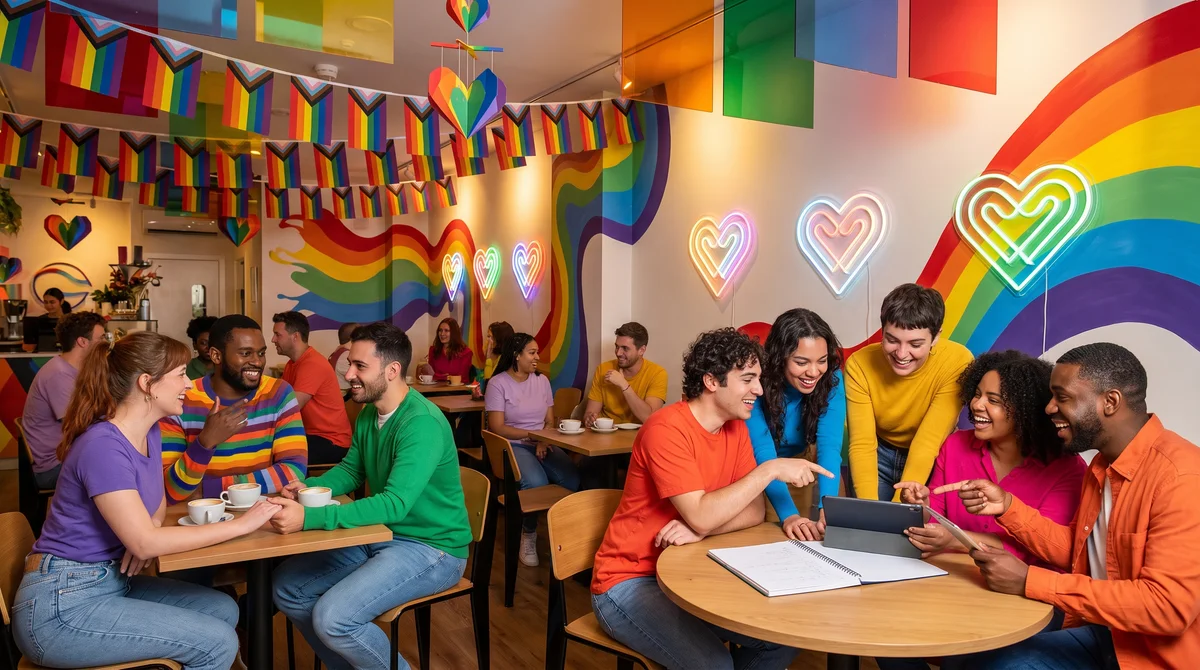
Navigating the Unique Dynamics of LGBTQ+ Dating
Explore the diverse and vibrant world of LGBTQ+ dating dynamics, celebrating identity and fostering connections that resonate.

Rediscovering Love: The Power of Chosen Family in the LGBTIQ+ Community
Explore the transformative power of chosen families within the LGBTIQ+ community and how they redefine love and support.

Trans-Dating: A Fresh Perspective on Connections and Authenticity
Discover how trans dating can redefine connections, affirm identities, and foster incredible relationships within the LGBTIQ+ community.